Football’s expanding global tournaments may overshadow other sports
The expanding FIFA World Cup is increasingly overshadowing other sports, with its massive scale and numerous matches dominating the global sporting calendar. Le
Is football eating itself? Not before it eats other sports first - City AM
Football’s Growing Dominance
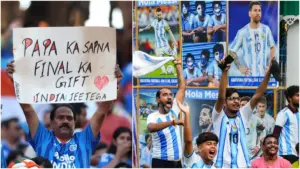
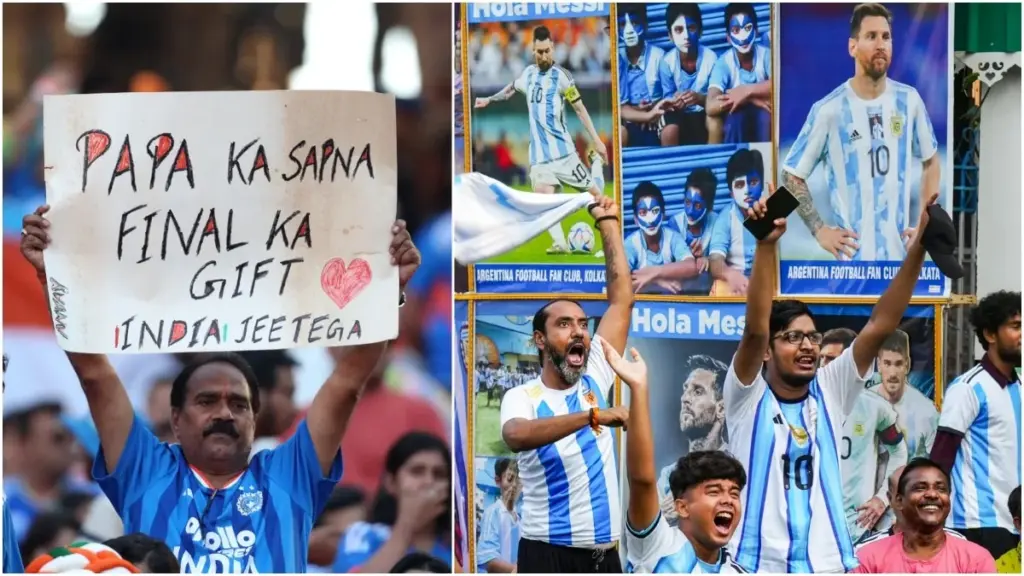
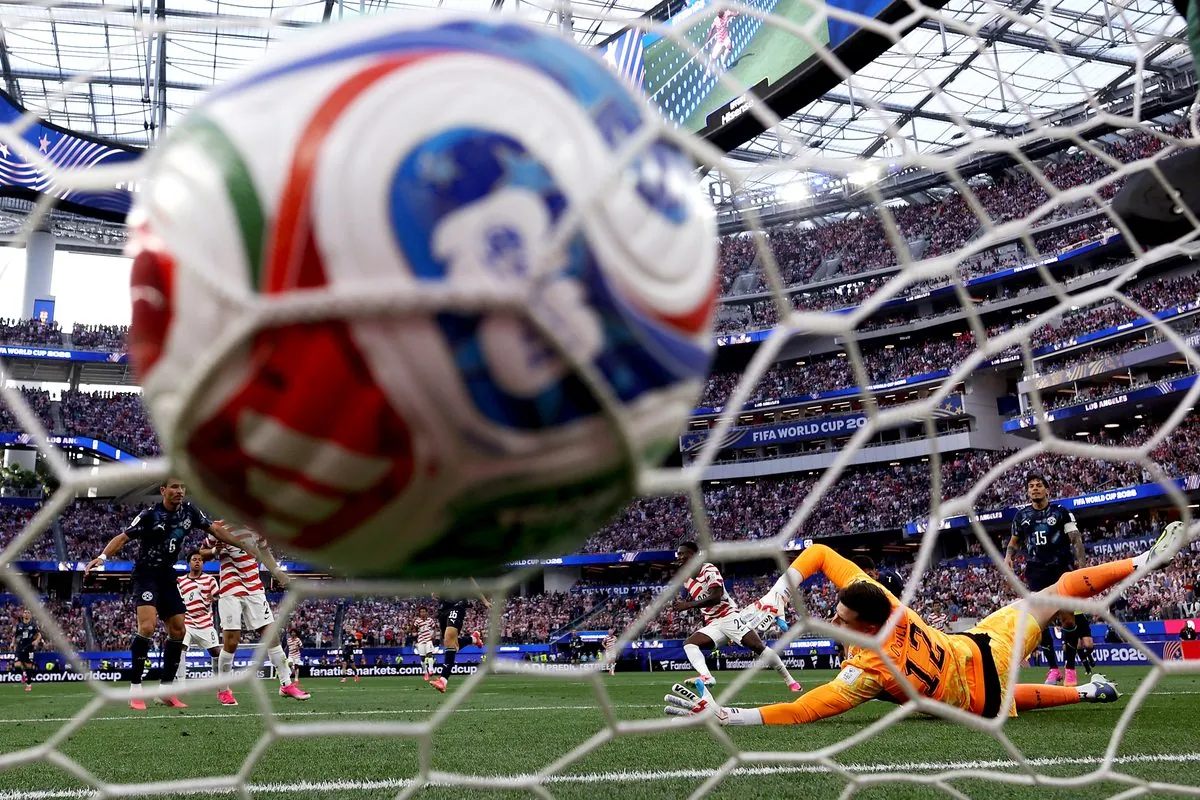
The increasing scale of the FIFA World Cup is drawing attention away from other sporting events, according to some observers. The current 2026 FIFA World Cup, with 52 of 103 matches already completed, is seen as a significant presence that could overshadow other sports during its run.
Historically, international football tournaments were smaller. The 1976 Uefa European Championship, for example, involved only four teams and concluded in five days after four matches. This left ample room for other sports to capture headlines, such as the achievements of Bjorn Borg and Nadia Comaneci during that summer.
The expansion of the World Cup to 48 nations has already occurred, and some columnists have suggested a further increase to 64 nations. This continuous growth of major football events contributes to the sport’s pervasive presence.
Impact on Other Sports and Cricket’s Challenge
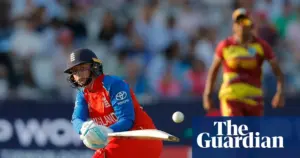
While football captures widespread attention, other sports have struggled for visibility. Events like the UK Athletics Championships and the ICC Women’s T20 World Cup have found it difficult to gain significant media coverage. Even major golf tournaments, such as the US Open, sometimes rely on controversies to secure media space.
The Championships at Wimbledon, set to begin on Monday, may benefit from the time difference between the US and London. However, the presence of the World Cup still creates a challenging environment for other sports to generate publicity. The return of Serena Williams is considered a marketing advantage for the tennis tournament organisers.
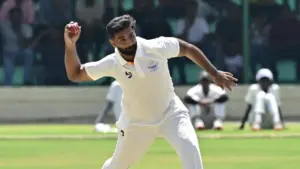
Cricket faces a different challenge, with an abundance of global tournaments potentially diluting their special status. Unlike football’s quadrennial World Cup, cricket now stages a major international event almost every year. This includes the Champions Trophy, T20 World Cup, World Test Championship, and various women’s and age-group global events.
This frequent scheduling, while boosting revenues and viewership, may diminish the anticipation once associated with these tournaments. Fans like Palaniappan Subramanian note that having world cups and championships almost every year makes them less awaited. The gap between tournaments in the past allowed for stories to develop and made victories feel more significant.
The commercial success of cricket, particularly its dependence on the sub-continent and India, drives this continuous cycle of marquee events. This ensures premium inventory for broadcasters, but it also means that the exclusivity that once made events like the World Cup unique is gradually eroded.
Former India coach Ravi Shastri has suggested that international cricket should reserve its emotional capital for major tournaments, with franchise cricket occupying the majority of the calendar. This aligns with the growing influence of leagues such as the IPL, SA20, and the Hundred, which are altering player and administrator priorities.
The FIFA World Cup, along with the European Championship and Copa America, maintains its quadrennial schedule. This scarcity is seen as an asset, fostering longing and significance among fans. Memories of iconic moments, such as Zinedine Zidane’s headbutt or Andres Iniesta’s goal in Johannesburg, are sustained by this long wait.
The International Tennis Integrity Agency’s CEO, Karen Moorhouse, stated that unpredictable testing is an essential tool to protect clean sport.
The Northampton Saints recently achieved their third consecutive major final, securing two Prem titles in three years.
In 1975, a cricket match between Derbyshire and Lancashire at Buxton on June 2nd experienced a unique event where snow stopped play.
Read Also
Source: cityam.com

Rohan Gupta
Sports Reporter