Hungarian Grand Prix sees challenges for F1 title contenders
Ferrari faced a challenging Hungarian Grand Prix, missing the podium due to multiple errors. Team Principal Fred Vasseur expressed disappointment over strategic
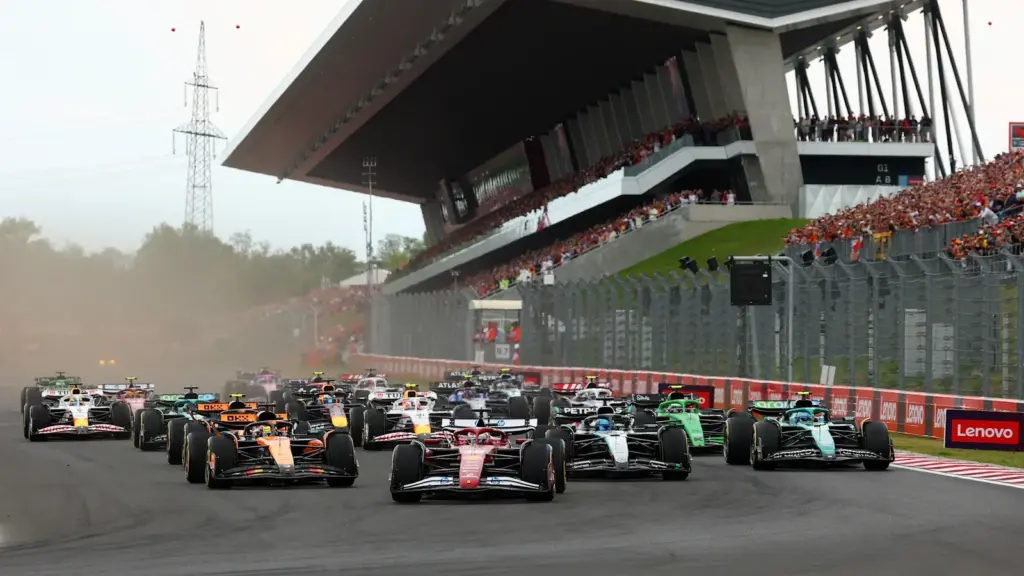
Everything we learned from F1's Hungarian Grand Prix - The Race
Ferrari’s missed opportunity
The Ferrari team experienced a challenging Hungarian Grand Prix, failing to secure a podium finish despite showing potential for a 1-2 result earlier in the weekend. Team principal Fred Vasseur expressed disappointment, noting that various small errors contributed to the outcome. Issues identified included an alternative qualifying strategy, a communication error leading to a penalty for Lewis Hamilton, poor starts, loss of track position, slow pitstops, and a pitlane speed limit violation. The SF-26 car demonstrated speed, suggesting it could have contended with race winner Lando Norris if it had found clear track.
The Hungaroring circuit, known for its 14 turns and 4.381km length, has a lap record of 1m 16.627s, set by Lewis Hamilton in 2020. The circuit’s layout, often compared to karting tracks due to its lack of long straights, demands a consistent rhythm from drivers. Overtaking is challenging, with most moves typically occurring at the beginning of the lap or into Turn 2. The track features four Straight Mode zones and one Overtake Detection point, located at the final corner, Turn 14.
Red Bull and Mercedes face hurdles
Red Bull’s Max Verstappen encountered aerodynamic degradation issues with his RB22 car during qualifying, describing its handling as “completely undriveable” before a spin. The problem appears to stem from the car’s aerodynamic sensitivity, where damage from kerb usage affected its balance and performance. While repairs were made for the race, a more permanent solution involves either strengthening parts or adjusting the aerodynamic mapping to reduce sensitivity.
For George Russell of Mercedes, a rev control problem at the start of the race led to a difficult outing. Despite this setback, there was a positive development regarding a persistent energy deployment issue. Software adjustments by Mercedes and the energy-rich nature of the circuit offered a glimmer of hope that the worst of his straightline-speed deficits might be behind him. However, Russell reflected on the season, stating he had “never had a season like this in my whole career, let alone my F1 career.”
Aston Martin and Cadillac’s performance
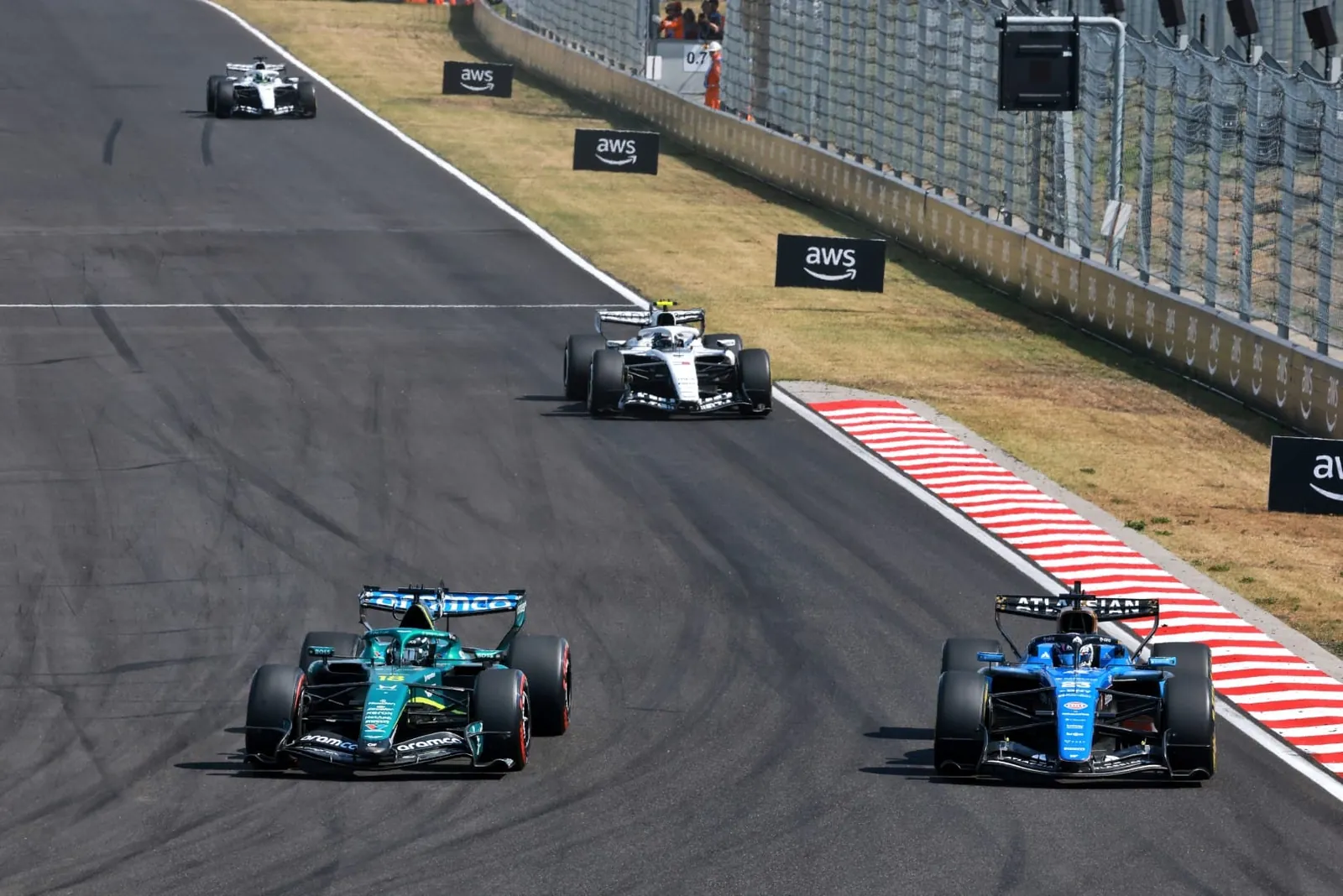
Aston Martin’s ‘B-spec’ upgrade made a significant impact, drawing attention from competitors. Williams driver Alex Albon acknowledged the threat, suggesting that Aston Martin could be faster for the remainder of the year, particularly on corner-focused circuits. Alpine driver Franco Colapinto also noted Aston Martin’s strength in corners, despite their slower straight-line speed. The team is anticipating a Honda upgrade to address the straight-line speed concerns, which will be tested during a filming day in Hungary before its debut at Zandvoort after the summer break.
Cadillac, on the other hand, faced a second reliability-related double-DNF within four races. These issues appear concentrated in specific areas, with Sergio Perez experiencing a second suspension-related exit in two weekends. Valtteri Bottas retired due to brake issues, despite a new front duct designed to address cooling problems. The team’s DNF count stands at nine for the 2026 season, while Aston Martin has 11.
The 2026 Hungarian Grand Prix marked the event’s 40th anniversary. The circuit has been the site of several drivers’ first F1 victories, including Oscar Piastri in 2024, Esteban Ocon in 2021, Jenson Button in 2006, and Fernando Alonso in 2003. Notably, none of the last five Hungarian Grands Prix have been won from pole position.
Source: the-race.com

Rohan Gupta
Sports Reporter