Kevin Keegan, legendary English football figure, dies at 75
English football legend Kevin Keegan, two-time European Footballer of the Year, has died at 75 after battling cancer. Newcastle United confirmed the news.
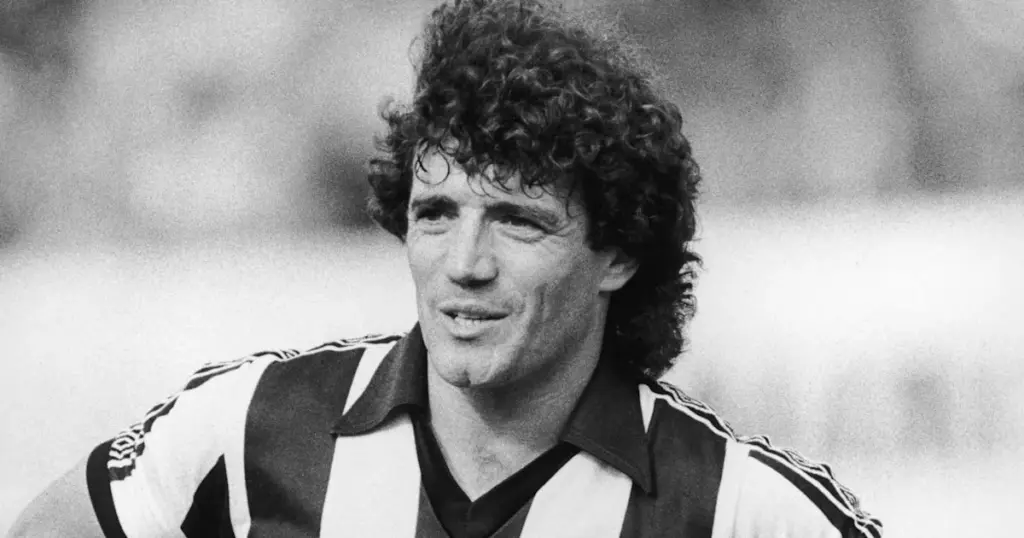
Gifted, charismatic and passionate amid highs and lows - Keegan obituary
Kevin Keegan, a prominent figure in English football as both a player and manager, has passed away at the age of 75. His former club, Newcastle United, confirmed the news. Keegan, who was a two-time European Footballer of the Year, had been undergoing cancer treatment, with his family and Newcastle announcing his battle with the illness in January. In June, Keegan revealed he had stage four cancer.
Newcastle United released a statement expressing their devastation at the loss of one of the club’s most iconic and influential figures. The club highlighted his impact as a player, bringing world-class talent and belief to St. James’ Park, and as a manager, igniting the city and leading a team that captured the imagination of football fans globally. Keegan’s family also released a statement, confirming his passing and noting he was surrounded by his wife and daughters in his final moments.
A distinguished playing career
Keegan’s playing career was marked by significant success, particularly with Liverpool and Hamburg. He joined Liverpool in 1971 from Scunthorpe United for a fee of £35,000. He quickly made an impact, scoring on his debut against Nottingham Forest. At Liverpool, he was a key part of teams that won three league titles, the European Cup, the FA Cup, and the Uefa Cup twice under managers Bill Shankly and Bob Paisley. He scored twice in Liverpool’s 3-0 victory over Newcastle in the 1974 FA Cup final.
His time at Liverpool concluded with a memorable performance in his final game, where Liverpool secured their first European Cup by defeating Borussia Monchengladbach 3-1 in Rome. Keegan scored 100 goals in 323 appearances for Liverpool before moving to Hamburg. At Hamburg, he continued his success, helping the club win the Bundesliga in 1978-79 and earning the Ballon d’Or in both 1978 and 1979. He later returned to England, joining Southampton in 1980, where he was named the Professional Footballers’ Association player of the year in 1982.
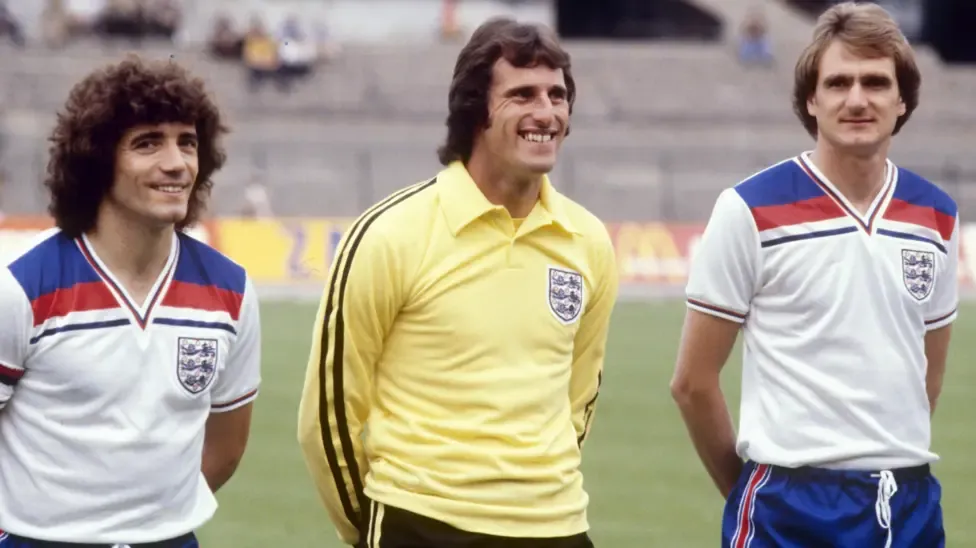
Keegan also represented England, earning caps over nearly a decade and scoring 21 goals. He captained the national side 31 times. His England career included participation in the 1980 European Championship and the 1982 World Cup in Spain, though a chronic back injury limited his involvement in the latter.
Managerial impact and legacy
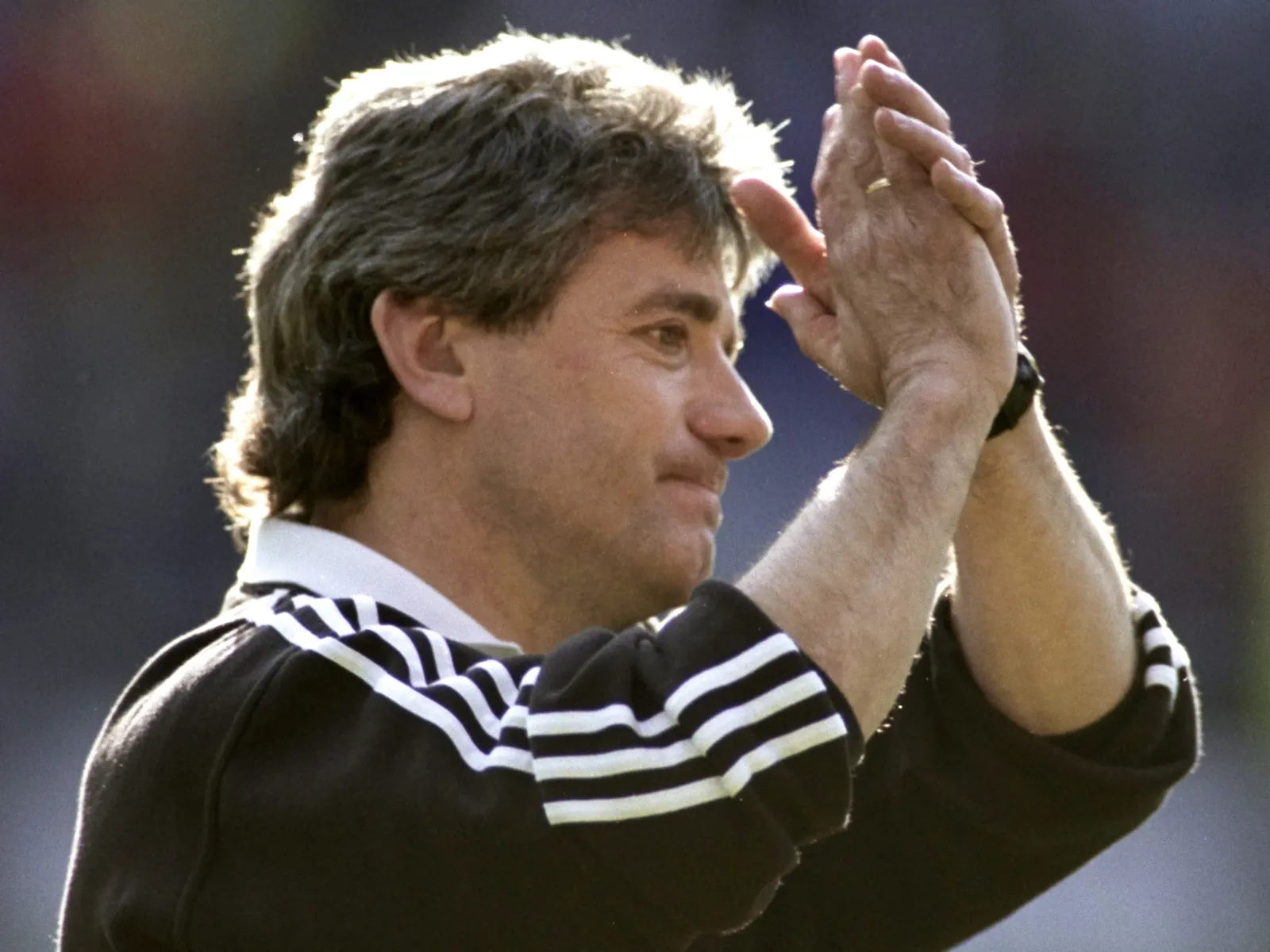
Following his playing career, Keegan transitioned into management, most notably with Newcastle United. He revitalized the club, leading them back into the top flight and challenging for the Premier League title in the mid-1990s. His tenure as manager is remembered for a thrilling style of play that captivated fans, even though the team ultimately fell short of winning the league. His passionate outburst during the 1995-96 title race, directed at Manchester United manager Sir Alex Ferguson, remains a memorable moment from his time at the club.
Newcastle United’s statement emphasized that Keegan’s impact would not solely be measured by appearances or results, but by the memories he created and the inspiration he provided to generations of supporters. The club acknowledged his deep connection to the North East, built on his father Joe’s roots, and his unwavering passion for the community. Keegan’s family stated that his death marks the passing of one of the most influential figures of his generation in English football. Newcastle United has indicated that they will consider how to shape a lasting tribute to Keegan’s life and legacy at an appropriate moment.
Keegan’s career also included ventures outside of football, such as participating in BBC TV’s Superstars series in 1976 and releasing music singles, including “It Ain’t Easy” in 1972 and “Head Over Heels In Love,” which reached number 10 on the German charts.
Read Also
Source: bbc.com

Rohan Gupta
Sports Reporter