Mohun Bagan proposes roadmap for OCI players to AIFF, suggesting age limits and optional inclusion
Mohun Bagan Super Giant proposes a roadmap to AIFF for integrating OCI players into Indian football, outlining age limits and optional inclusion for clubs and t
Mohun Bagan Propose Roadmap for OCI Players, Submit Detailed Recommendations to AIFF - Revsportz
Mohun Bagan’s detailed proposal to AIFF
Mohun Bagan Super Giant has submitted a comprehensive proposal to the All India Football Federation (AIFF) regarding the integration of Overseas Citizen of India (OCI) players into Indian football. The proposal outlines methods to benefit both clubs and the national team.
Earlier this month, the AIFF‘s Special General Meeting approved the inclusion of OCI/PIO players in the Indian Super League (ISL). The proposed framework would allow clubs to field a starting XI with three foreign players and one OCI player. However, this proposal has not yet received widespread support from ISL clubs, with Mohun Bagan and East Bengal reportedly being the only clubs to have clearly backed it so far.
In its communication to the AIFF, Mohun Bagan suggested that the inclusion of OCI players should be optional and that these players should be treated as domestic footballers. The club stated that this approach would incentivise clubs to bring in more OCI players.
The Kolkata-based club also recommended an upper age limit for OCI players. This recommendation aims to ensure that the initiative strengthens Indian football in the long term, rather than being a short-term measure. For instance, the club’s proposal indicates that a 35-year-old OCI player would not align with the intended purpose of the policy.
Proposed strategies for OCI player integration
Mohun Bagan has put forward two potential strategies for integrating OCI players. For immediate benefits, the club suggested an age limit of 30 years. This would allow eligible players sufficient time to acquire an Indian passport and potentially represent the national team.
Alternatively, a long-term strategy focuses on players under the age of 26. This approach aims to cultivate a stronger talent pool for the 2034 FIFA World Cup cycle. The club also proposed allowing each ISL club to register a maximum of two or three OCI players as domestic footballers to expedite the process.
While the AIFF continues to develop the implementation framework, several aspects remain under discussion. These include salary structures, registration regulations, and achieving consensus among clubs before the policy is formally introduced.
Wider implications for Indian football
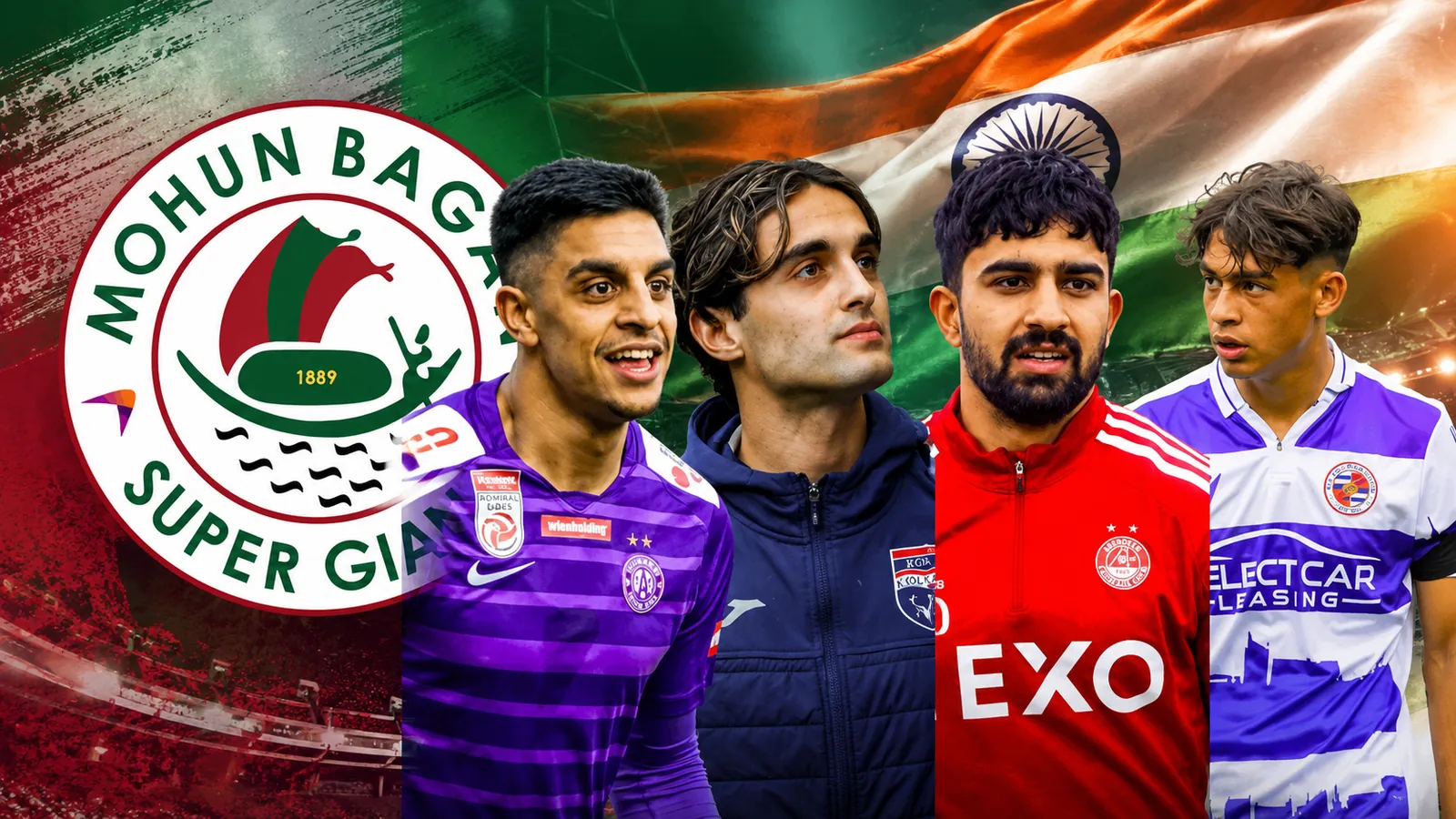
The discussion around OCI/PIO players is part of a broader conversation in Indian football, especially given the national team’s recent performances and FIFA rankings. Many countries are adopting dual citizenship pathways to expand their talent pools. For example, Bangladesh has benefited from allowing dual passports, with players like Leicester City midfielder Hamza Choudhury contributing to their national team’s success.
India’s current regulations do not permit overseas citizens to represent the national team unless they hold an Indian passport. This typically requires players to renounce foreign citizenship, hold an OCI card for five years, and spend at least one of those years in the country. This requirement has been identified as a major obstacle by players of Indian origin who may have established lives and careers abroad.
To address this, the Sports Ministry has reportedly forwarded a proposal for a specialised sports passport to the Government of India. This initiative could potentially allow OCI players to represent the national team without relinquishing their existing citizenship benefits. Such a framework could allow eligible OCI and PIO athletes to compete for India in international sports without following the conventional citizenship route.
The proposed Sports Passport is currently under government consideration and could reshape Indian sports beyond football, potentially impacting basketball, tennis, and the country’s long-term Olympic ambitions. The success of such initiatives would depend on careful implementation, ensuring they complement rather than replace investment in grassroots development and coaching within India.
The ISL 2025-26 season faced uncertainty for six months, but the 2026-27 campaign is set to begin on September 4, with significant commercial interest and multiple models under consideration.
Read Also
Source: revsportz.in

Rohan Gupta
Sports Reporter