World Cup group stage concludes with surprising results and knockout stage preparations
The World Cup group stage ends with surprising results, including a USMNT loss. Discover which teams advanced and who faced elimination as knockout rounds begin

Is a perfect World Cup group record overrated? Was Tunisia worst-ever side? Day 15 recap - The New York Times
The final round of the World Cup group stage has concluded, setting the stage for the knockout rounds. Several matches on the fifteenth day of the tournament saw teams secure their progression, while others faced elimination. Notably, the United States Men’s National Team (USMNT) experienced a loss despite already securing the top spot in their group.
In a significant upset, Ecuador defeated Germany 2-1, marking their biggest victory at a World Cup and earning them a spot in the knockout stages as one of the best third-place teams. Meanwhile, the Netherlands secured the top position in Group F after a match against Tunisia. In the same group, Japan and Sweden played to a draw, allowing both teams to advance.
Group Stage Outcomes and Knockout Implications
The USMNT, having already clinched first place in Group D, made several changes to their lineup for their match against Turkey. Despite a last-minute goal from Kaan Ayhan for Turkey, the USMNT lost 3-2. Head coach Mauricio Pochettino may have opted to rest key players, including Christian Pulisic, who was returning from injury, to foster squad competition before the knockout matches.
The outcome of the USMNT’s final group game has led to discussions about the value of a perfect group record. Historically, no team has won all three group matches and gone on to win the World Cup since Brazil in 2002. Previous winners like Italy (2006), Spain (2010), Germany (2014), France (2018), and Argentina (2022) all had at least one draw or loss during their group stage campaigns. This suggests that a degree of adversity in the group stage might be beneficial, potentially leading to team adjustments or increased motivation.
Based on this trend, teams that did not win all their group games, such as the United States, Switzerland, Brazil, Germany, and the Netherlands, could be considered strong contenders for the World Cup title. Conversely, teams like France, Argentina, and Colombia, who might avoid winning their last group game, could also benefit from this pattern. Mexico, despite winning all three of their group games for the first time in their history, may face a historical disadvantage based on this pattern.
In other Group D action, Paraguay and Australia played to a goalless draw. Australia has progressed, and Paraguay is also projected to advance to the knockout stages.
The Third-Place Qualification Process
With 48 teams competing in this World Cup, an additional knockout stage, the round of 32, has been introduced. While the top two teams from each group automatically qualify, the eight best third-place teams will also advance. This complex system means that 12 third-place teams will be ranked based on their performance.
Progression for third-place teams is determined by several factors: firstly, the number of points. If points are tied, goal difference is considered. If still level, the team with more goals scored advances. Should teams remain inseparable, their fair-play record is used, followed by a random drawing of lots. This system can put teams playing in earlier groups at a disadvantage, as they may not know the exact result needed to progress.
For example, Cape Verde, which committed only a single foul in their goalless draw with Spain, could benefit from a better disciplinary record if tied with another team on points, goal difference, and goals scored. Once the top eight third-place teams are determined, FIFA employs a mathematical formula to determine their round-of-16 opponents, ensuring specific pairings based on group standings.
Tunisia’s World Cup Performance
Tunisia’s performance in North America has drawn comparisons to historical World Cup teams. Despite topping their qualifying group by 13 points, Tunisia lost all three of their group matches, conceding 12 goals and scoring only twice. Their scorelines were 1-5, 0-4, and 1-3. Head coach Sabri Lamouchi was sacked after the first game, with Herve Renard taking his place.
This performance has led to discussions about whether Tunisia could be considered among the weakest sides in World Cup history. While their goal difference of -10 is better than Zaire‘s record from 1974, Tunisia faced a comparatively weaker group. Zaire was in a group with strong teams like Brazil, Yugoslavia, and Scotland, which were highly ranked at the time. Tunisia’s group included the Netherlands (ranked seventh), Japan (17th), and Sweden (36th), who barely qualified through the playoffs.
Other African nations have performed better in the tournament, with no other African team yet eliminated. Since 2000, only two teams have finished the group stages winless with a worse goal difference than Tunisia: North Korea (-11), which was drawn against Brazil and Portugal. The transfer market remains active, with Elliot Anderson reportedly set to become the most expensive British player in history after Manchester City agreed a deal with Nottingham Forest.
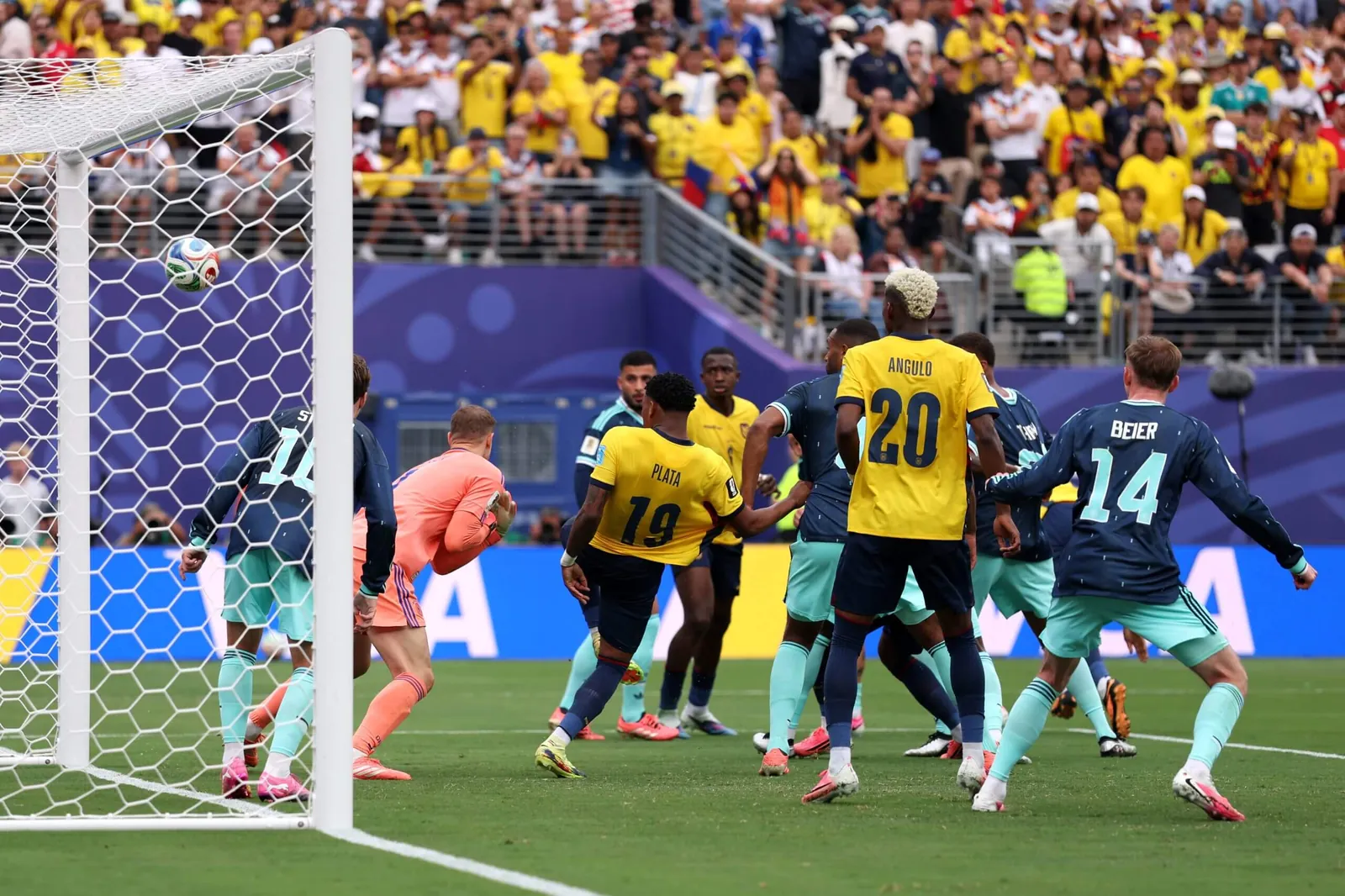
The final group stage matches included Curacao against Ivory Coast, Ecuador against Germany, Tunisia against the Netherlands, Japan against Sweden, Paraguay against Australia, and Turkey against the USA.

The USMNT will face Bosnia & Herzegovina next Wednesday in Santa Clara.

Read Also
Source: nytimes.com

Rohan Gupta
Sports Reporter